
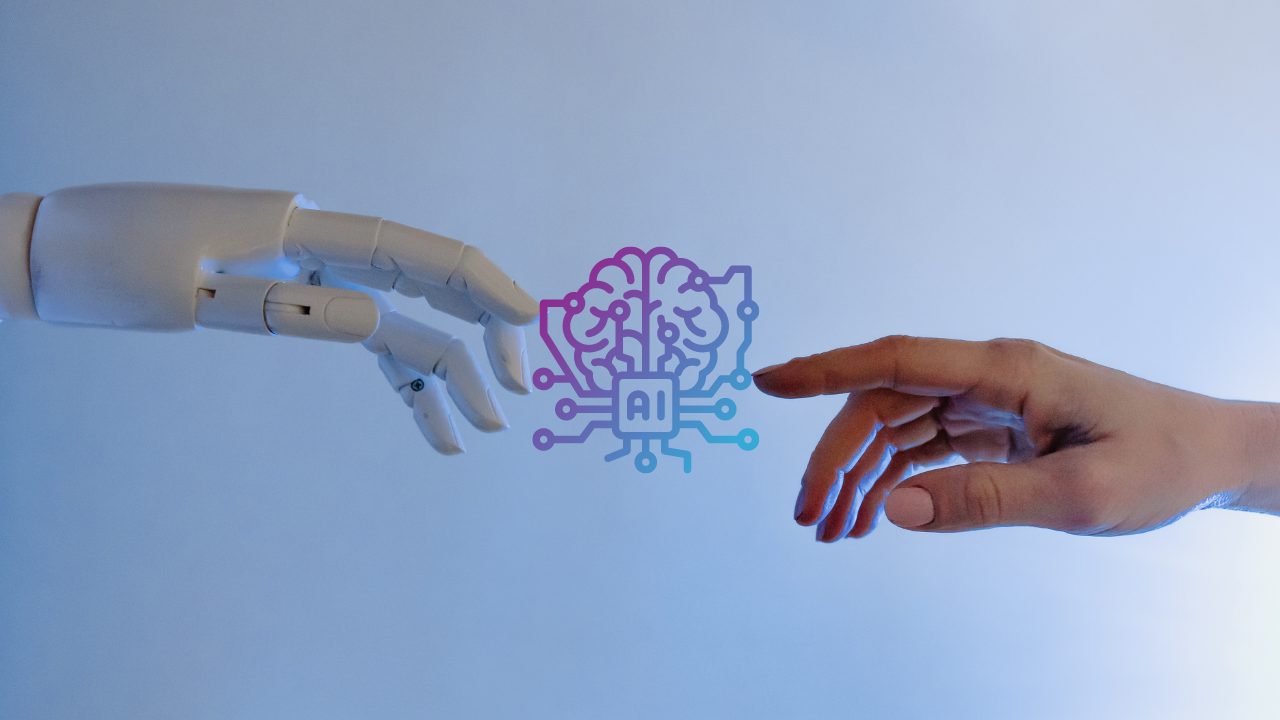
Brief Summary: The article explores the impact of AI on Public Relations. Highlights the main themes, the importance of training, upgrading skills, and the mandatory vigil against human and machine errors.
Innovations in information and communication technologies have brought profound changes in the Public Relations landscape in the new millennium. The advent of AI is going to accelerate this process further. So, I will focus more on the impact of AI on the PR profession in this essay. Scholars feel that integrating AI into communication strategies will be the key determinant to drive PR solutions in most industry and service verticals in the coming days. A few big themes facing PR professionals are automated content creation, real-time crisis management, real-time reputation monitoring, data analytics, personalized communication, ethical oversights, influencer management, machine, and human error. The themes mentioned will shape PR strategies and solutions in the AI era. Indeed, this is the toolbox of ideas that will shape the cartography of pathways of public relations in the days ahead. A brief look at these ingredients will help to navigate and chart the way forward.
Data Analytics: Data is the buzzword in every conversation nowadays. Data coming in handy for those making plans in advance and formulating strategies is not a novel idea. So, what is the fuzz about? Data processing capacity is the new kid in town. The tremendous advances in the data processing capacity of computers belong to digital technology. The data processing capacity has multiplied in tandem with the breathtaking changes in communication technologies. The process has gained further traction with the advances in the language-learning capacity of computers. The progress in the capacity of LLM algorithms is the force multiplier behind AI. The above changes mostly known as the AI revolution have brought a paradigm shift in every field of human activity. Communication and PR are no exception. Experts say AI-powered analytics is one of the most versatile tools with PR professionals. The tool enables the PR professional to gather and process data in real-time and develop solutions accordingly. PR professionals with data-driven insights will be able to derive optimum value for the stakeholders with the help of specific strategies.
“It’s not about efficiency; AI’s ability to analyze and interpret large volumes of data enables more targeted and personalized content, aligning more closely with audience interests and behaviors,” these words of a UK-based consultancy convey the situation succinctly.
Content Automation: The great strides in the language learning capacity of machines have opened the pathway for content automation. Content automation opens new opportunities for the PR professional. Henceforth the PR professional could entrust mundane tasks to automated content creation. The redemption from mundane tasks, naturally, leads to more creative challenges requiring original thinking and strategic vision. Individual brilliance, talent, and the ability to adapt and master changing technologies will determine the winners and losers in this environment.
Personalized Communication: We are now familiar with receiving messages capturing our interest in a particular genre of cinema and books. We could extend the list to cuisine, attire, holiday, etc. These messages show the immense power of data processing on a real-time basis. Data of such kind provides great scope for PR professionals to develop personalized communication solutions targeting specific audiences. For instance, let us imagine we have data about 10,000 doctors in Delhi sourcing groceries from a major online retailer. PR professionals could use such data to develop a narrative that would further enhance the value of the online retailer concerned. The use of AI helps in making PR campaigns more personalized and impactful.
Reputation Monitoring: Celebrity bashing has scaled new heights with the advent of AI. No one is safe from deepfakes and malicious content. Politicians, film stars, business tycoons, sports stars, rock stars, models, and many others are deeply concerned with the menace. The World Economic Forum has listed deepfakes as one of the main risks faced by the world. Reputation monitoring has become a challenging task in such an environment and PR professionals have become indispensable to handle the risk. The fake videos of Microsoft chairman Bill Gates are good examples of risks posed by technology-enabled distortions. Major news organizations setting up fact-checking units is another sign of the danger emanating from fake content creators.
Crisis Management: The ubiquitousness of deep fakes and malicious content in social media outlets makes separating ‘chaff and grain’ a specialized task. Communication professionals in general, and PR folks in particular, have no options other than to be on alert to provide effective solutions to the menace of deep fakes or malicious content. Tracking the source and origin of fake or malicious content requires specialized knowledge including the regulatory environment in the jurisdictions concerned. I will cite a recent example to highlight the difficulties when confronted with such issues. Regulatory agencies in Singapore and Hong Kong imposed restrictions on some curry powder and masala brands from India a few weeks ago. The news gained traction in social media with a few YouTubers using the incident to paint an alarming picture of the quality standards of the curry powder and masala makers in the country. The Food Safety and Standard Authority of India (FSSAI) has now stated that the samples tested in its 28 accredited laboratories in the country have shown no trace of the toxic material mentioned in the media reports. I have mentioned the incident to stress the importance of crisis management in communication and public relations. A few media organizations known for their authenticity and quality carried the FSSAI report.
Influencer Handling: Social media influencer is the new avatar in the communication landscape. The PR professional needed to be very careful in developing a strategy to handle the social media influencers. It wouldn’t be an exaggeration to describe the art of dealing with social media influencers (SMI) as akin to handling the proverbial ‘double-edged sword’. A thorough background check, especially the hidden digital footprints of the SMI, is the primary task of the PR professional engaged in such works. The PR professional shouldn’t be oblivious to dubious characters including persons with criminal records masquerading as SMIs. The association with such individuals can cause irreparable damages to the brand equity of the institutions and individuals heading them. The PR professional will be the first point of contact for ascertaining the authenticity of the SMIs before an institution or individual decides to use their services. The PR professional is required to develop standard operating principles to establish the authenticity of SMIs transparently
Ethical Oversights: We are now entering into a contentious terrain linked to the work of a PR professional. The explosion of digital media outlets focusing on social and economic justice, and ethical practices of corporate companies and individuals at the top of the hierarchy of every institution has made Public Relations a tough and demanding profession. Public Relations as a profession is subjected to media and social audits regularly. The PR professional needn’t have any illusions about the media landscape belonging to the alternative media. Fact-based information with supportive documents becomes indispensable for the PR professional. The PR professional needs to keep vigil as an army of people is waiting for an opportunity to pounce on the profession. The slightest mistake will be blown out and recycled seamlessly. Hundreds of media outlets are eager to carry such content. The credentials of many of them may appear doubtful but they could inflict serious damage to any brand or person. A PR professional can’t afford this bitter reality. The best way to avoid falling into the trap is to insist on fact-based information and supporting documents.
Human Error: In the age of a seamless flow of texts and images human error becomes an unpardonable mistake or an object of ridicule. Avoidance of human error is as important as ethical oversight. Sam Pitroda the US-based telecom wizard known for his affinity towards the Indian National Congress making a few careless remarks could be taken as an example of the potential of human error to cause a PR disaster. He mooted the idea of an inheritance tax in India on the lines of a similar system in the US during a crucial phase of the election campaign for the Lok Sabha polls. The Congress had to distance itself from these comments in a hurry as the political opponents of Congress portrayed it as an attempt by the GOP in India to introduce a wealth redistribution scheme in the country. Mr. Pitroda, commenting on the skin complexion of people residing in different parts of the country was another gaffe creating another PR disaster for the Congress. The scope for human error has increased with the adoption of technology.
The matter assumes importance due to the growing tendency to entrust everything to the machines. There is no doubt that technology helps to improve quality and work efficiency at several levels. But we should remember that even the most robust of the technologies will not be able to replace human beings. Communication and PR are intensely human-centric professions. Technology and machines are tools to ease human efforts linked to the profession. Human-to-human contact will be the essence of public relations despite the increasing trend of using AI and other technology devices.”
Training: As we are aware, AI is an evolving area of technology, and everyone looking to harness the benefits of AI should prepare a proper system for training and upgrading AI skills. The training and skill upgrading should be undertaken at the individual and organizational levels to develop the necessary synergy. Training and skill upgrading require urgent attention as many reports suggest that many PR firms are yet to have systems and practices needed for adopting AI. A research report on the situation in the UK said, “75 percent of agencies, brands, and independent consultancies are not adapting their approach to AI”. Another report said, “nearly, half of the UK businesses with less than 500 employees are unprepared for potential reputational crises arising from the use of AI”.
I have highlighted a few important points facing the PR profession in a rapidly changing technology environment. We are at a crossroads. We need AI and other technologies to enhance our professional competence and capabilities. But we should also be careful that technologies won’t reduce us to dwarfs blinking endlessly and staring at the screens.”
Let me conclude with the quote of Gini Dietrich, Founder & CEO of Arment Dietrich, Illinois, US. She is the author of Spin Sucks & host of the Spin Sucks podcast.Gini Dietrich, Founder & CEO of Arment Dietrich, Illinois, US. She is the author of Spin Sucks & host of the Spin Sucks podcast.
“As technology continues to disrupt traditional media landscapes, public relations professionals must embrace data-driven insights, creativity, and agility to navigate the ever-changing communication landscape.”